

Connecticut Releases Independent Evaluation of Special Ed Bureau, Highlighting Oversight and Compliance Priorities
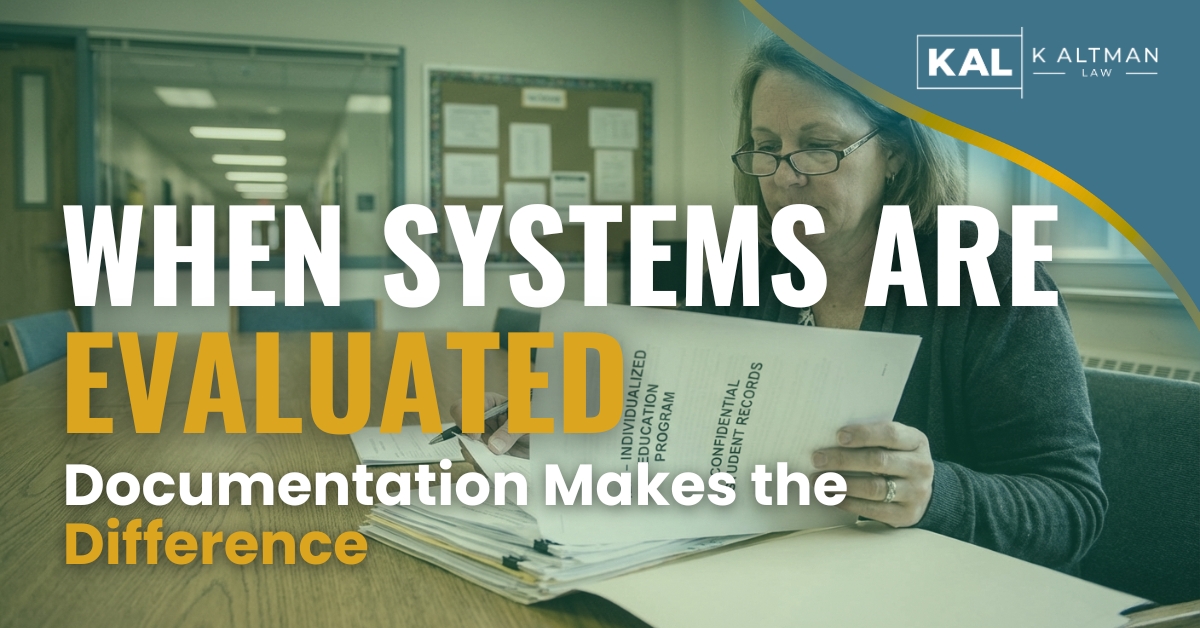
An independent evaluation of a state special education bureau highlights why clear timelines, consistent implementation, and usable oversight systems matter for families.

Keith Altman
An independent review of Connecticut’s special education bureau highlights oversight, timelines, and compliance issues seen nationwide.
While Connecticut-specific, the report reflects broader national pressures on special education systems: staffing constraints, compliance timelines, dispute resolution capacity, and the quality of technical assistance to districts.
Families in states including Michigan, California, Texas, New York, New Jersey, Pennsylvania, and Illinois often experience similar friction points: delays in evaluations, inconsistent IEP implementation, unclear communication, and uneven approaches to dispute resolution.
State-level assessments like this can inform practical expectations about what agencies can do, what districts must do, and where families should focus documentation and requests.
Systems improve when responsibilities are clear, timelines are tracked, and dispute pathways are usable without escalating every disagreement to formal due process.
For families, well-organized records, requests, meeting notes, and service logs remain essential regardless of the state.
“Independent evaluations are useful because they shift the conversation from blame to systems. Whether you’re a district or a family, the goal is the same: clear timelines, reliable implementation, and dispute pathways that solve problems before they become crises,” says Keith Altman, Managing Partner, K Altman Law
What do students, families, and schools do now?
• Ask for written timelines for evaluations, eligibility decisions, and IEP revisions—and track them.
• Request measurable IEP goals and clear service delivery details (frequency, location, provider).
• Maintain a simple service log and save communications in one organized place.
• If implementation is inconsistent, request a corrective plan in writing and a follow-up meeting date.
• Use dispute resolution options strategically based on documented facts.
About K Altman Law
K Altman Law is a national boutique law firm assisting students and families with education-related disputes, including higher education discipline and academic matters, special education (IEP/504) advocacy, and civil rights/Title IX process issues. The firm serves clients nationwide.
This press release is for general informational purposes only and is not legal advice. Outcomes depend on the facts of each matter and applicable law, which varies by jurisdiction.
Keith Altman
K Altman Law
+1 888-984-1341
kalonline@kaltmanlaw.com
Visit us on social media:
LinkedIn
Instagram
Facebook
YouTube
TikTok
X
Legal Disclaimer:
EIN Presswire provides this news content "as is" without warranty of any kind. We do not accept any responsibility or liability for the accuracy, content, images, videos, licenses, completeness, legality, or reliability of the information contained in this article. If you have any complaints or copyright issues related to this article, kindly contact the author above.
